
Creating Neighborhoods of Opportunity - UDA's Legacy
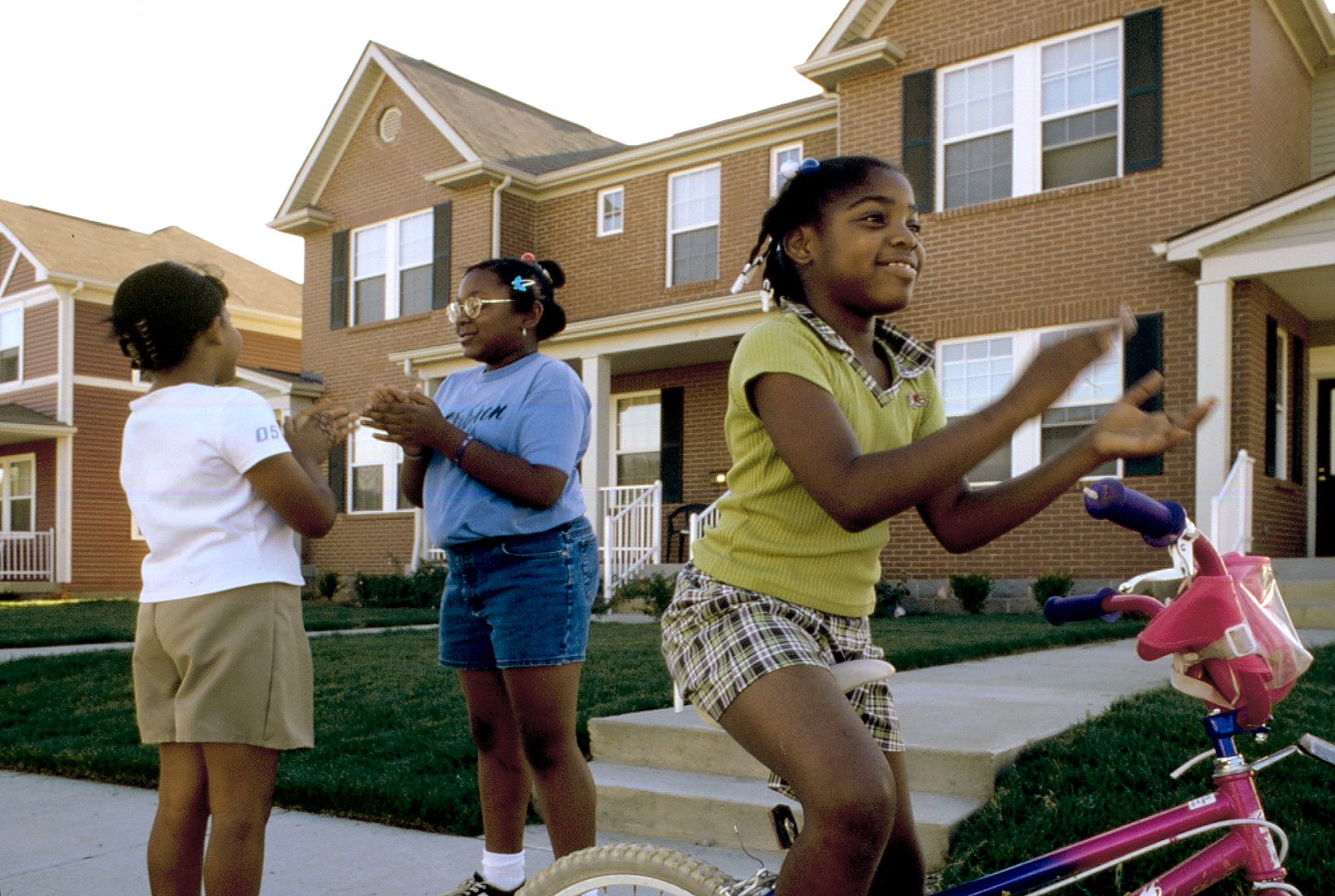
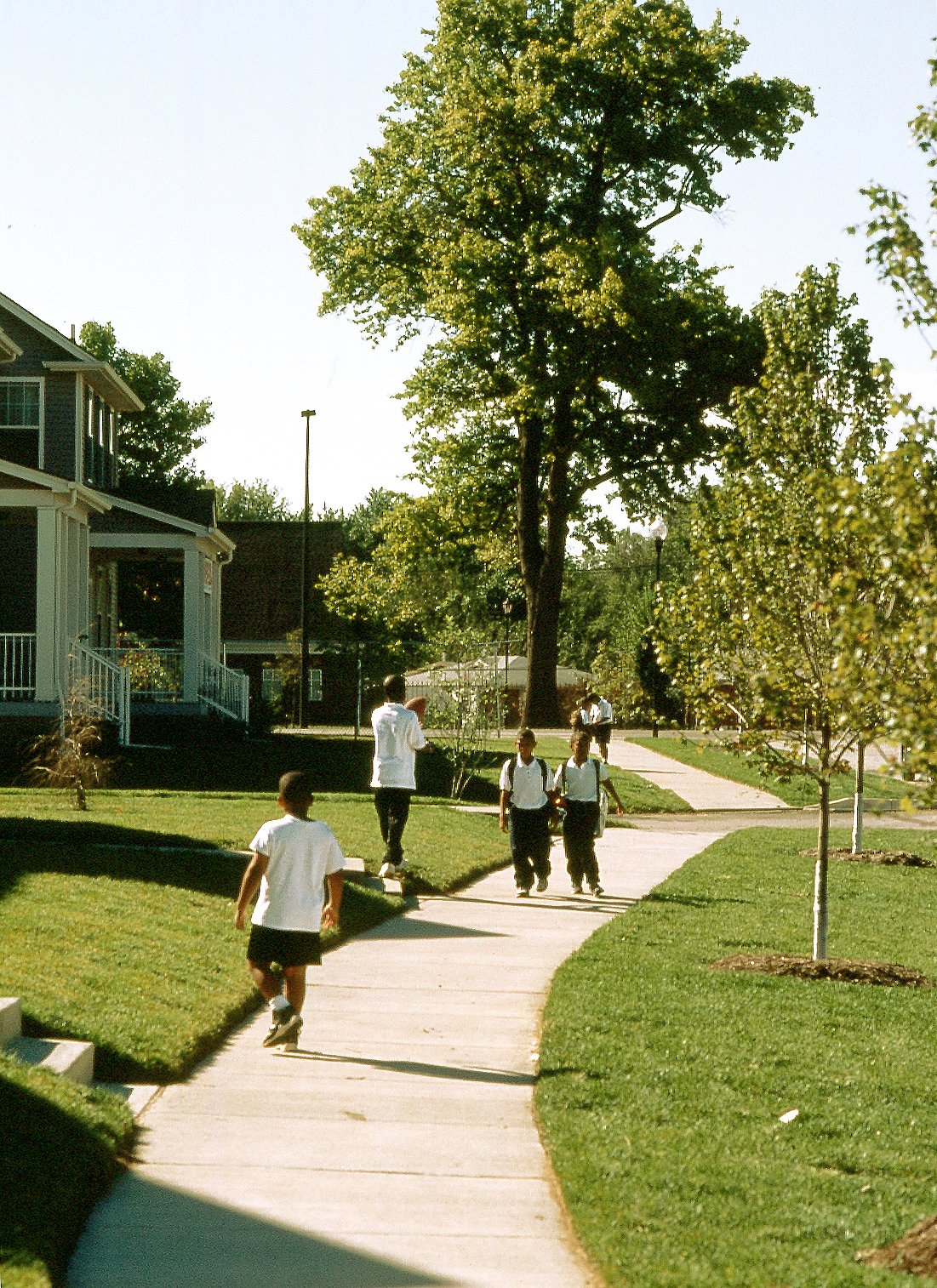
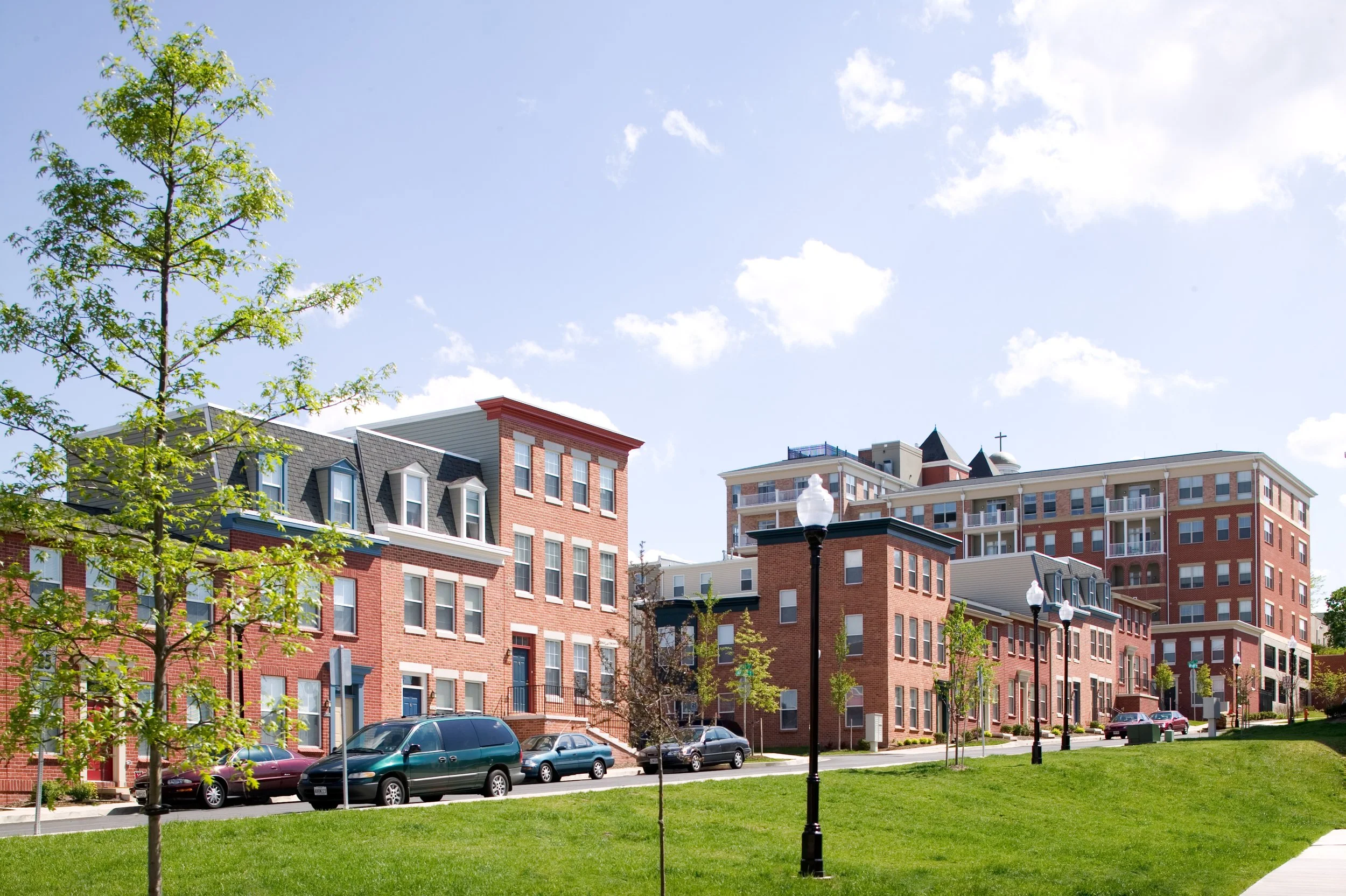
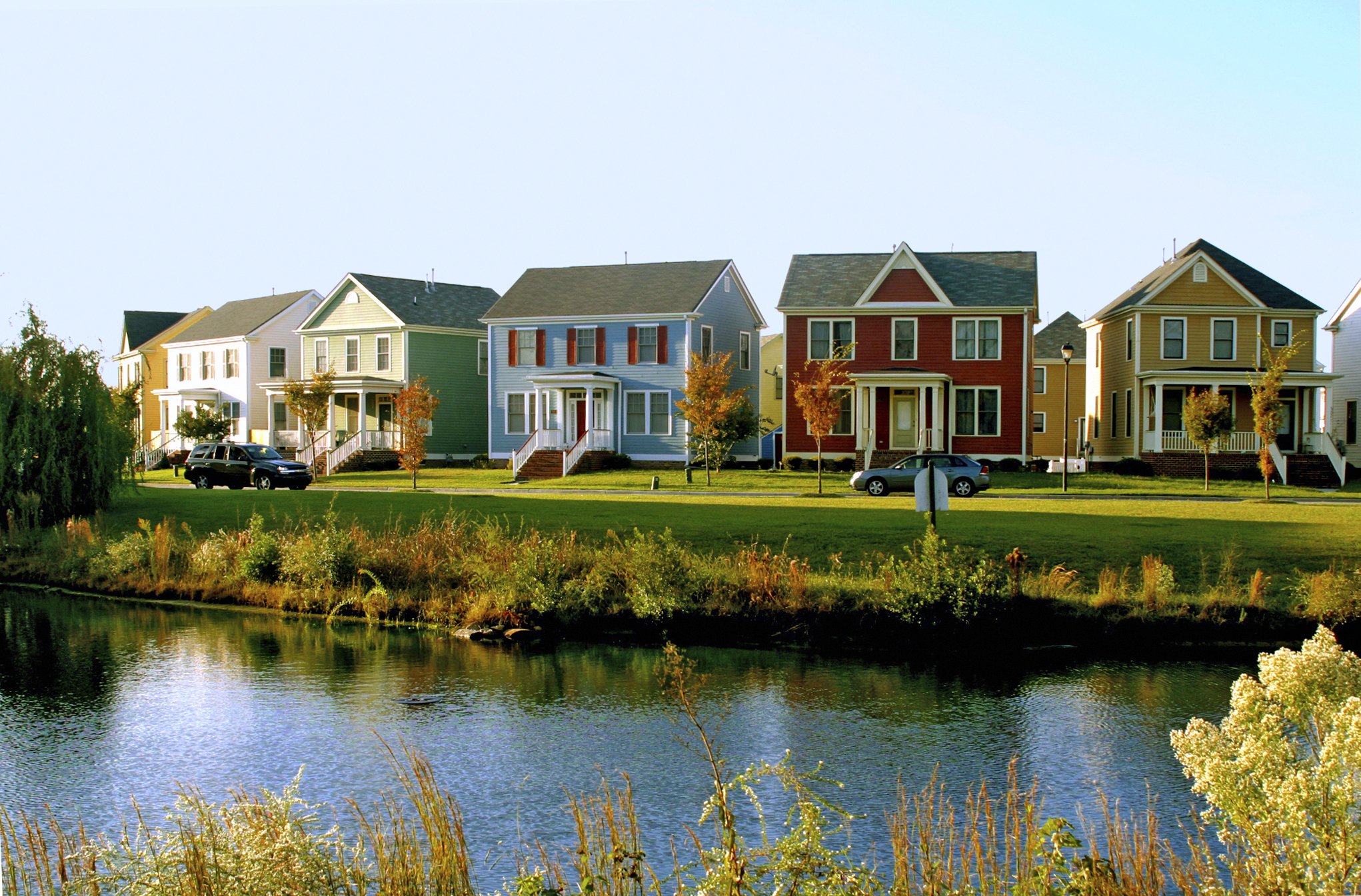
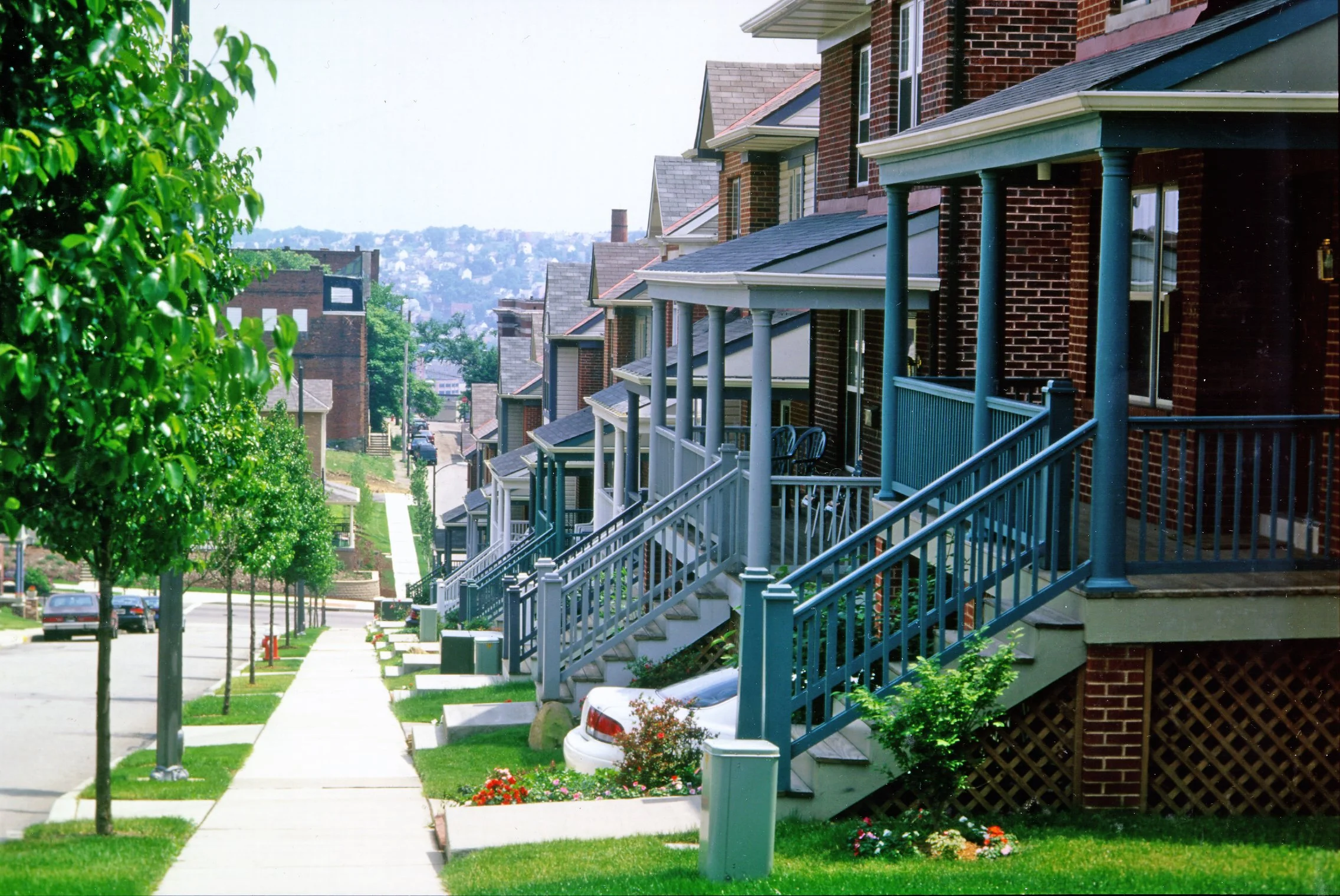
Urban Design Associates and Ray Gindroz played a pivotal role in the national transformation of public housing into mixed-income neighborhoods, starting in the 1990s and continuing today. By the late 20th century, decades of segregation, disinvestment, unemployment, and concentrated poverty had left much of America’s public housing in crisis. Resident-led actions such as the 1969 St. Louis Rent Strike highlighted deteriorating conditions and systemic neglect. By the late 1980s, the federal government declared 86,000 public housing units unlivable, prompting new federal responses, including the HOPE program. In 1993, Henry Cisneros was appointed HUD Secretary, bringing with him outside advisors and a culture of curiosity and openness to new ideas.
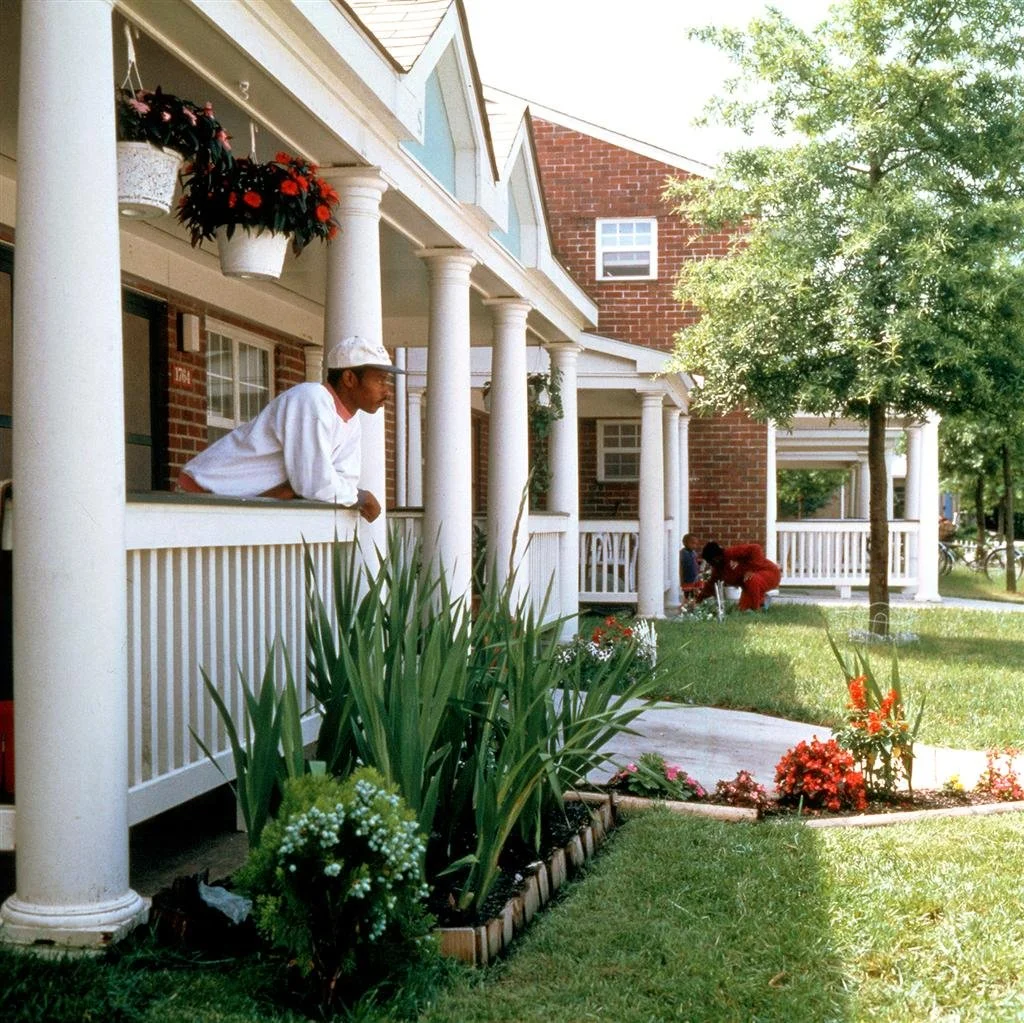
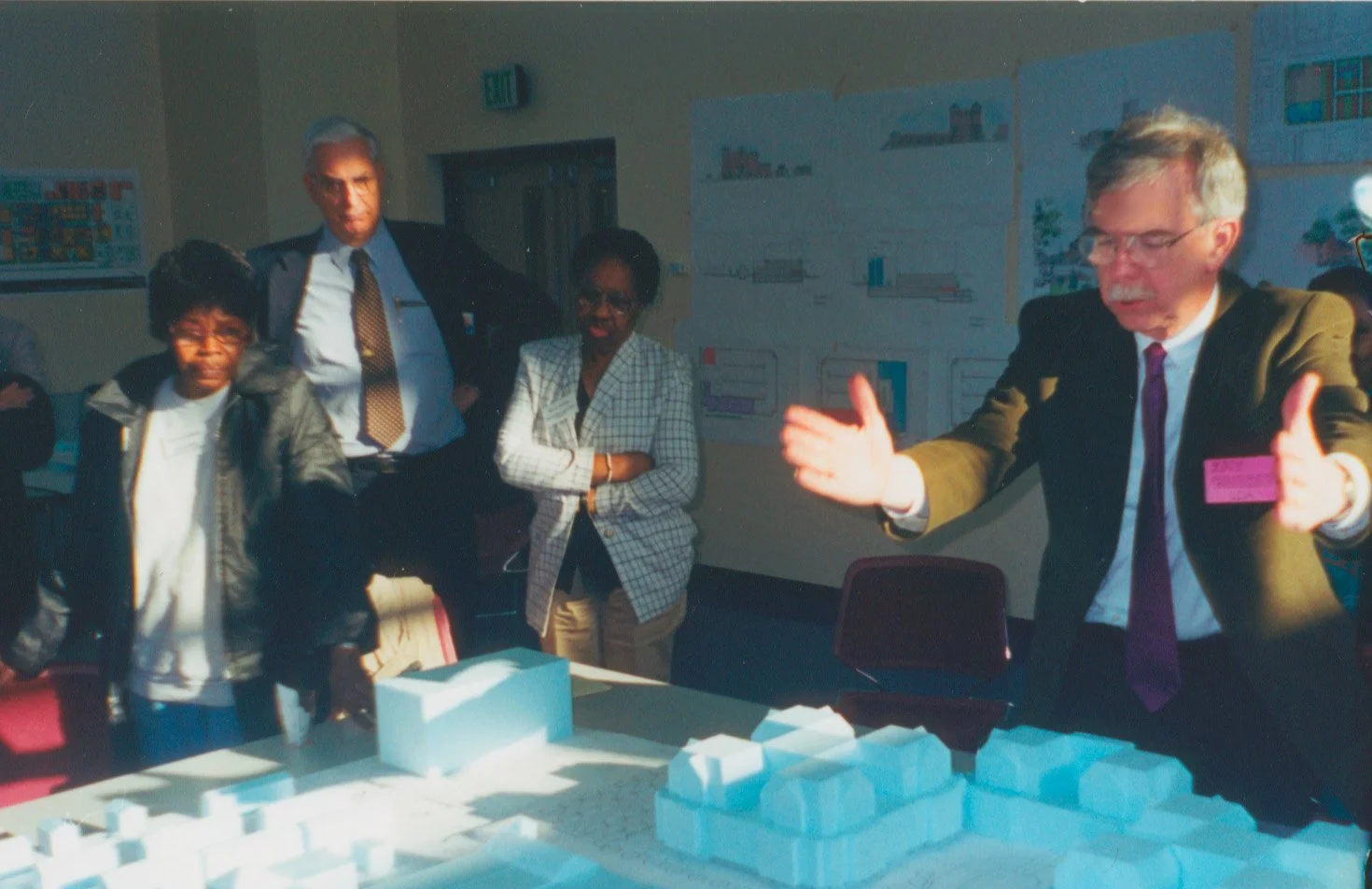
At the same time, UDA was exploring how design could stabilize distressed communities. In Norfolk, UDA worked with NRHA to facilitate a resident-led process to plan for the renovation of the Diggs Town public housing, re-orienting interiors, adding front porches, and clearly defining public and private spaces to foster safety and social connection. The lessons learned at Diggs Town helped shift HUD’s policy to allow porches to be funded for public housing development, which had previously been considered a luxury. The project demonstrated that physical design matters, but also revealed that design alone cannot overcome concentrated poverty and lack of opportunity.
Crawford Square in Pittsburgh, developed by McCormack Baron Salazar and designed by UDA in the early 1990s, represented the next innovation. A new construction, mixed-income, mixed-finance neighborhood integrated affordable and market-rate housing within a traditional urban neighborhood. Crawford Square also leveraged local and private funding, rather than relying on only federal sources. Months after HUD representatives visited Crawford Square, the HOPE VI program was recast as a mixed-income, mixed-finance program focused on rebuilding traditional neighborhoods.
Through the Congress for the New Urbanism, Ray led a task force that partnered with HUD to establish national design principles, scoring criteria, and training workshops. These principles centered on resident engagement, neighborhood connectivity, housing dignity, and access to opportunity. Between 1993 and 2010, $17 billion was invested through 446 grants to transform 262 public housing communities. UDA led processes and designed 23 successful HOPE VI projects.
Harvard and Opportunity Insights research studied over one million public housing residents between 1995 and 2019 to determine how HOPE VI transformations impacted outcomes for families. The study found:
Adults did not gain economically from HOPE VI revitalization;
Children who grow up in revitalized neighborhoods earn more as adults;
Gains in earnings exceeded the cost of revitalization;
Gains for children were driven by stronger social connections with higher-income neighbors; and
We can increase economic mobility by better connecting low-opportunity areas.
We now have data that demonstrates what Ray intuited over 40 years ago – connections matter. Proximity matters. Mixed-income communities affect outcomes. Listening to residents about their needs and visions matter.
Today, the Choice Neighborhoods program builds on these lessons by combining mixed-income housing, one-for-one replacement, supportive services, and broader neighborhood investment to expand economic opportunity for future generations. UDA has supported 14 communities in developing holistic Housing, Neighborhood, and People plans that led to the award of HUD Choice Neighborhood Implementation grants. UDA’s impact through Choice Neighborhoods has led to over 9,000 mixed-income homes and over $4.5 billion in investment to reconnect communities to opportunity, and we’re just getting started.
Click here to read more about the Harvard and Opportunity Insights findings about the impact of mixed-income neighborhood transformation.